
Decoding the Signs: Non Verbal vs Speech Delay in Kids
 By Speech Blubs Team•Mar 23, 2026•16 min.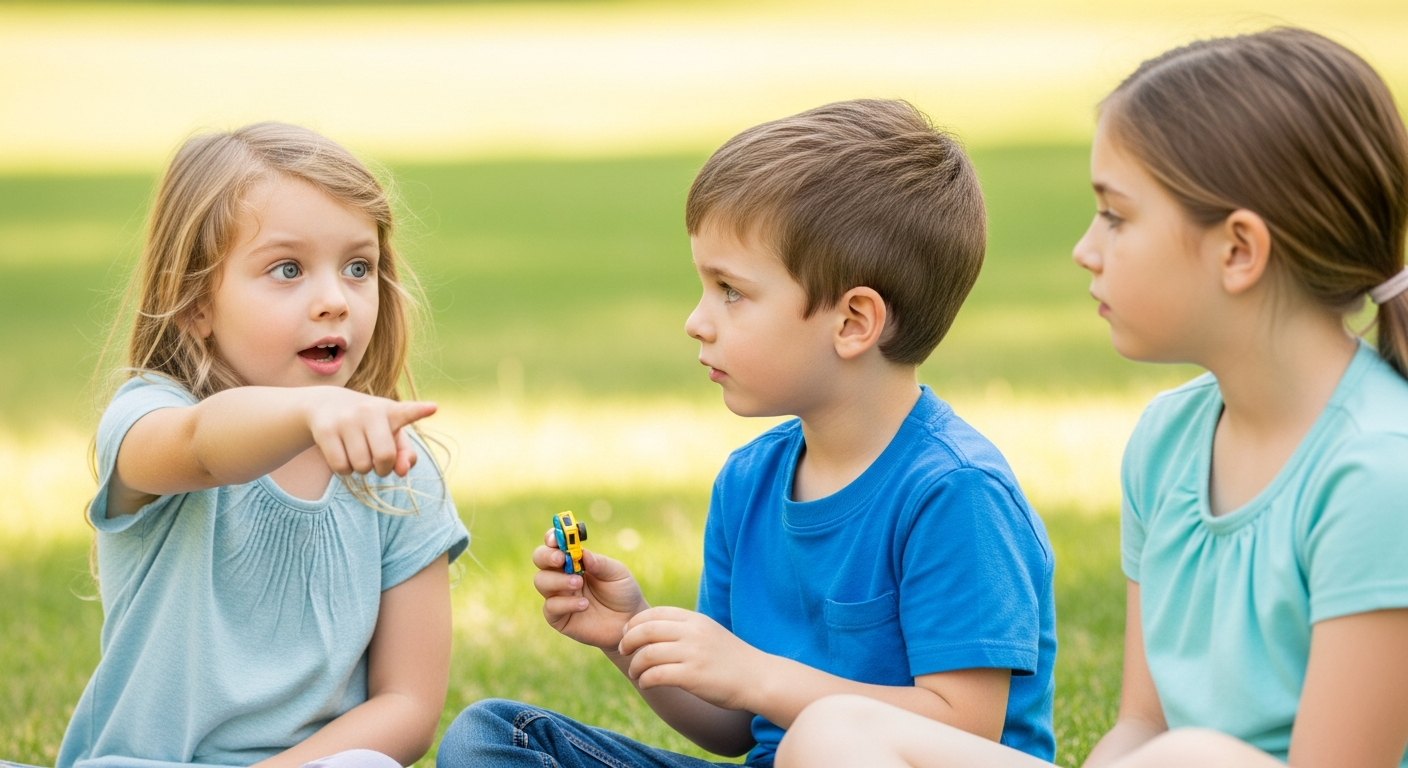
Table of Contents
- Introduction
- Understanding the Basics: What is a Speech Delay?
- Defining Non-Verbal Communication and Autism
- The Critical Differences: Non Verbal vs Speech Delay
- Why Do Some Kids Start Talking Later?
- When to Seek Professional Guidance
- How Speech Blubs Supports Every Communication Journey
- Discussing Value: Choosing the Right Plan
- Practical Strategies for Home Support
- Choosing the Right Path for Your Child
- Conclusion
- FAQs
Introduction
Did you know that nearly 1 in 10 preschool-aged children experience some form of speech or language difficulty? If you have ever sat in a playgroup, watching other toddlers chatter away while your little one remains quiet, you know the quiet tug of anxiety that follows. You might find yourself searching the internet late at night, wondering about the difference between a "late talker" and something more complex. The comparison of non verbal vs speech delay is one of the most common concerns parents bring to specialists today.
At Speech Blubs, we understand this journey deeply. Our mission is to empower children to speak their minds and hearts because we believe every child has a voice that deserves to be heard. Our company was born from the personal experiences of our founders, who all grew up with speech challenges themselves. They created the tool they wished they had—a way to turn the frustration of silence into the joy of communication.

The purpose of this post is to provide clarity and comfort. We will explore the nuances of speech development, define what constitutes a delay versus a non-verbal presentation, and highlight the specific "red flags" that can help you distinguish between the two. Most importantly, we will share how early intervention and "smart screen time" can bridge the gap. By the end of this article, you will have a roadmap for understanding your child’s unique communication style and the confidence to take the next steps in their development.
Understanding the Basics: What is a Speech Delay?
When we talk about a speech delay, we are usually referring to a child who is following the typical path of development but doing so at a slower pace. Think of it like a long-distance race: some runners sprint out of the gate, while others take a bit longer to find their stride. Both are moving toward the same finish line.
Speech vs. Language: The Important Distinction
It is helpful to separate "speech" from "language" to understand what your child might be struggling with.
- Speech is the physical act of producing sounds. It involves the coordination of the lips, tongue, and jaw. If a child has a speech delay, they might struggle with articulation (making specific sounds like "s" or "r") or have a motor-control issue that makes their words hard to understand.
- Language is about the meaning behind the sounds. It includes expressive language (what the child says to share their thoughts) and receptive language (how the child understands what others are saying).
A child with a speech delay might have a head full of ideas but struggle to get the physical sounds out. They are often highly motivated to connect. For a parent whose 3-year-old "late talker" loves animals, the Animal Kingdom section of our app offers a fun, motivating way to practice "moo" and "baa" sounds. Even if they can’t say "cow" yet, their desire to imitate the sound is a strong sign of typical social development.
Milestones to Keep in Mind
While every child is an individual, there are general windows for development. By 12 months, most babies are babbling and using gestures like waving. By 18 months, they typically have a handful of single words. By age two, many children begin combining two words, such as "more juice" or "mama go." If your child is missing these milestones, it doesn’t necessarily mean there is a permanent problem, but it is an invitation to explore further. You can take our quick 3-minute preliminary screener to get a simple assessment and a free 7-day trial to see where your child currently stands.

Defining Non-Verbal Communication and Autism
The term "non-verbal" is often used in the context of Autism Spectrum Disorder (ASD). While a speech-delayed child is usually "on their way" to talking, a non-verbal child may have a more fundamental difference in how they process social interaction and communication as a whole.
Beyond the Absence of Words
Being non-verbal isn't just about not speaking; it’s about how a child uses their entire body to interact with the world. In the context of non verbal vs speech delay, the most significant difference is the intent to communicate.
A child with a speech delay will often go to great lengths to make themselves understood. They will tug on your sleeve, point frantically at the cookie jar, and make eye contact to ensure you are paying attention. A non-verbal child with autism, however, might not use these "bridge" behaviors. They may prefer to play alone, might not respond when their name is called, or might use your hand as a tool (leading you to an object without looking at you) rather than pointing.
Why Context Matters
Autism is a spectrum, meaning communication challenges can look very different from one child to the next. Some children might be "minimally verbal," using just a few words for specific needs but struggling with the social "back-and-forth" of a conversation. Others might use "echolalia," which is the repetition of phrases they’ve heard on TV or from parents, but without using those phrases to convey a unique thought.
At Speech Blubs, we focus on the joyful side of learning. We know that for children on the spectrum, traditional methods can sometimes feel overwhelming. That’s why our "smart screen time" experiences are designed to be active and engaging, rather than passive. We provide a screen-free alternative to passive viewing (like cartoons) by encouraging children to participate and imitate.
The Critical Differences: Non Verbal vs Speech Delay
Understanding the specific differences between these two paths can help you advocate for the right kind of support for your child. It isn't just about the number of words in their vocabulary; it's about the social foundation those words are built upon.
Social Motivation and Engagement
One of the clearest ways to distinguish a speech delay from a non-verbal presentation related to autism is by looking at social drive.
- Speech Delay: These children are usually social butterflies who are "stuck" behind a language barrier. They seek out hugs, smiles, and attention. They are frustrated when you don't understand them because they desperately want to share their world with you.
- Non-Verbal/ASD: These children may seem more content in their own world. They might not look for your reaction when they do something funny or accomplish a task. This isn't a lack of love, but rather a difference in how their brain prioritizes social cues.
Gestures and Non-Verbal Cues
If your child isn't talking, how are they communicating?
- The Pointing Test: By 18 months, most typically developing children (even those with speech delays) use their index finger to point at things they want or things they find interesting. This is a huge milestone.
- The Use of Hands: A child with a speech delay will use a wide variety of gestures—shaking their head for "no," nodding for "yes," and waving "bye-bye." A non-verbal child with autism may use fewer gestures or might rely on "hand-leading" (taking your hand and placing it on a doorknob) without the accompanying eye contact that says, "Hey, help me with this."
Joint Attention: The Secret Marker
Joint attention is the ability to share a focus on an object with another person. If a dog walks by and you say, "Look at the doggie!", a speech-delayed child will look at the dog and then look back at you to share the excitement. A child showing signs of autism might look at the dog but skip the "sharing" part of the interaction. This subtle exchange is one of the most important markers specialists look for when evaluating non verbal vs speech delay.
Why Do Some Kids Start Talking Later?
If you've determined your child has a speech delay rather than a non-verbal presentation, you might be wondering why. There are several common reasons that have nothing to do with a child's intelligence or your parenting.
Oral-Motor Skills and Physical Factors
Sometimes the brain knows exactly what it wants to say, but the muscles aren't getting the memo.
- Apraxia of Speech: This is a motor speech disorder where the child has trouble sequencing the movements necessary for speech.
- Physical Impairments: Issues like a "tongue-tie" (a short frenulum) or a cleft palate can physically hinder a child's ability to produce certain sounds.
In these cases, the child is often highly motivated to speak. For example, if a child loves cars, they might try to make a "vroom" sound but end up with a quiet "ooo." Using the "Transportation" section of the Speech Blubs app allows them to see other children making those sounds, which triggers "mirror neurons" in the brain. Our method is backed by science, placing us in the top tier of speech apps worldwide.
Hearing and Sensory Processing
You can't mimic what you can't hear. Even minor, temporary hearing loss from chronic ear infections can set a child's speech development back by months. If a child's hearing is muffled during the critical window when they are learning to map sounds, their speech will likely be delayed.
Additionally, some children have sensory processing differences. They might find the world too "loud" or "busy," which makes focusing on the subtle nuances of human speech difficult. For these children, a calm, predictable environment—like the one provided in a structured learning app—can be much less intimidating than a noisy classroom.
When to Seek Professional Guidance
We always encourage parents to trust their "gut." You are the expert on your child. If you feel that something is not quite right, it is always better to seek an evaluation early.
The "Wait and See" Myth
In the past, many parents were told to "wait and see" if their child would grow out of a delay. We now know that the first three years of life are a period of incredible neuroplasticity. This is when the brain is most flexible and ready to learn. Early intervention—whether it's for a simple speech delay or for autism—can significantly reduce frustration for the child and the family.
A professional evaluation by a Speech-Language Pathologist (SLP) or a developmental pediatrician can provide you with a clear diagnosis. They will look at:
- Receptive Language: How much does the child understand?
- Expressive Language: How much can the child communicate?
- Social/Pragmatic Skills: How does the child interact with others?
If you are currently waiting for an appointment, using a tool like Speech Blubs can be a powerful supplement to your child's overall development plan. Many parents find that it helps bridge the gap while they wait for professional therapy to begin. See what other parents are saying about their child's success with our approach.
How Speech Blubs Supports Every Communication Journey
At Speech Blubs, we don't just want kids to talk; we want them to enjoy talking. We believe in providing an immediate, effective, and joyful solution for the 1 in 4 children who need speech support.
The Power of Video Modeling
Our unique approach centers on "video modeling." Scientific research shows that children learn best by watching and imitating their peers. Unlike traditional cartoons where the characters are 2D and don't have realistic facial movements, Speech Blubs features real children.
When your child sees a "peer model" on the screen making a funny face or saying a word, it activates their mirror neurons. This creates a "monkey see, monkey do" effect that builds confidence and reduces the pressure often felt in one-on-one therapy sessions. It transforms a difficult task into a playful game.
Transforming Screen Time into Smart Learning
We know that many parents worry about screen time. However, not all screen time is created equal.
- Passive Screen Time: Watching a show where the child just sits and stares.
- Smart Screen Time: An interactive experience that requires the child to make sounds, follow directions, and engage with the content.
Speech Blubs is designed to be a tool for family connection. We always frame our activities with an implicit understanding of adult co-play. Sit with your child, laugh at the filters, and celebrate every "pop," "click," and "mama" that comes out. This shared joy is the foundation of all communication.
Discussing Value: Choosing the Right Plan
We want to be transparent about our pricing because we value the trust you place in us. We offer two main paths to help your child find their voice:
- The Monthly Plan: For $14.99 per month, you get full access to the Speech Blubs app and its library of over 1,500 activities. This is a great way to test the waters.
- The Yearly Plan (Best Value): This is the clear choice for families committed to long-term progress. At $59.99 per year, the cost breaks down to just $4.99 per month—a 66% savings compared to the monthly rate.
The Yearly Plan isn't just more affordable; it includes exclusive benefits that support a comprehensive learning journey:
- 7-Day Free Trial: You can explore everything we have to offer for a full week before committing.
- Reading Blubs App: Access to our companion app designed to boost early literacy skills.
- Priority Support: Enjoy a 24-hour support response time and early access to our newest updates.
The Monthly plan does not include the free trial or the Reading Blubs app. We strongly encourage users to choose the Yearly plan to get the full suite of features and the best possible value for their child's development.
Practical Strategies for Home Support
While apps and therapy are vital, the "magic" of communication happens in the everyday moments you share at home. Here are some strategies to support your child, whether they are facing a non verbal vs speech delay challenge:
Narrative Your Day
Talk through everything you are doing as if you are a sports commentator. "I am picking up the blue cup. Now I am pouring the cold water. Glug, glug, glug!" This constant exposure to language in context helps children build their receptive vocabulary. Keep your sentences short and your tone enthusiastic.
Use Visuals and Signs
For non-verbal children or those with significant delays, visual aids can reduce frustration. Using simple sign language (like "more," "please," and "all done") or pointing to pictures on a "choice board" gives the child a way to speak their mind before their vocal cords are ready. This does not prevent speech; in fact, it often paves the way for it by showing the child that communication "works."
Follow Their Lead
Pay attention to what your child is interested in. If they are staring at a bug on the sidewalk, don't try to distract them with a toy. Get down on their level and talk about the bug. When you follow their lead, you are showing them that their interests are valuable, which builds the confidence they need to try and share those interests with words.
Choosing the Right Path for Your Child
There is no "one size fits all" answer when it comes to a child's development. Some children will benefit from intensive speech therapy, others from occupational therapy to help with sensory needs, and many will thrive with a combination of professional support and home-based tools like Speech Blubs.
Remember, our goal is not to suggest guaranteed outcomes like "your child will be giving public speeches in a month." Instead, we focus on the beauty of the process: fostering a love for communication, building confidence, reducing frustration, and creating joyful family learning moments. Whether your child is a "late talker" or on the autism spectrum, they have a unique way of seeing the world. Our job—as parents and as Speech Blubs—is to give them the tools to share that vision with us.
Conclusion
Navigating the complexities of non verbal vs speech delay can feel like wandering through a maze, but you don't have to do it alone. The most important thing to remember is that a delay in speech is not a reflection of your child's potential or your success as a parent. Whether your child is simply taking their time to find their words or is navigating a different neurodevelopmental path like autism, early support is the key to unlocking their world.
By understanding the differences—such as the presence of joint attention, the use of gestures, and the drive for social engagement—you can better understand your child's needs. Tools like Speech Blubs are here to make that journey lighter, turning practice into play and frustration into connection. Our scientific "video modeling" method is designed to meet children where they are, providing a safe and joyful space for them to find their voice.
Ready to start this journey? Download Speech Blubs on the App Store or get it on Google Play to begin. For the best experience, create your account on our website and select our Yearly Plan. You’ll get a 7-day free trial, the bonus Reading Blubs app, and the most comprehensive support for your child’s communication milestones. Let’s help your little one speak their mind and heart, one joyful sound at a time.
FAQs
1. Is a speech delay always a sign of autism?
No, a speech delay is not always a sign of autism. Many children are "late talkers" who have strong social skills, use gestures, and make eye contact but simply take longer to develop verbal language. While speech delay is a common characteristic of autism, it is usually accompanied by other signs like repetitive behaviors or challenges with social interaction.
2. At what age should I be concerned if my child isn't talking?
Most pediatricians recommend a formal evaluation if a child isn't using single words by 15-18 months or combining two words by age two. However, if you notice a lack of non-verbal communication (like pointing or responding to their name) earlier than that, it is worth discussing with a professional right away.
3. Can an app really help my child learn to talk?
While an app is not a replacement for professional therapy when needed, "smart screen time" like Speech Blubs can be a powerful supplement. Our video modeling method uses peer-to-peer imitation to trigger mirror neurons, which helps children practice sounds in a low-pressure, engaging way. It’s a tool designed for active participation rather than passive viewing.
4. What is the biggest difference between a late talker and a non-verbal child?
The biggest difference is often "social intent." A late talker usually uses non-verbal ways (pointing, eye contact, facial expressions) to communicate their needs and share experiences. A non-verbal child, particularly one on the autism spectrum, may struggle with these social foundations and might not use gestures or joint attention to connect with others.
About the author